Sponsored article
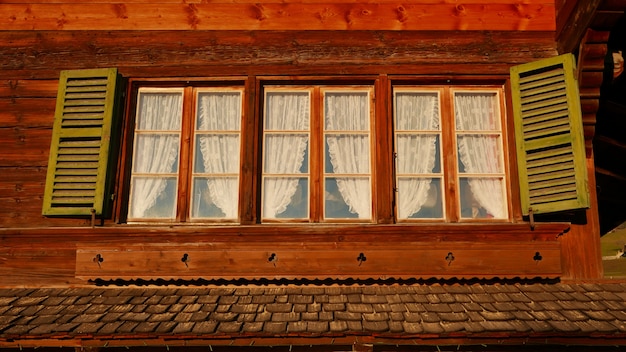
Traditional wooden window designs offer a unique blend of elegance and practicality, making them a popular choice for homeowners seeking to enhance their home’s aesthetics. These designs not only bring a timeless charm to a living space but also provide functional benefits such as improved insulation. This article delves into the advantages of wooden windows, offers guidance on selecting the right type of wood, and provides essential maintenance tips to preserve their beauty and functionality.
One of the primary wooden windows benefits is their unparalleled aesthetic appeal. Traditional wooden window designs exude a timeless charm that seamlessly blends with a variety of architectural styles, enhancing the beauty and elegance of any home. Beyond aesthetics, wooden windows offer remarkable energy efficiency, providing superior insulation that helps maintain a consistent indoor temperature, which can lead to reduced energy bills. Additionally, quality wooden windows such as timber casement windows often feature multi-locking systems and deep sills, adding not only to the energy efficiency but also to the security of your home. Furthermore, investing in wooden windows can potentially increase home value. Their classic allure, combined with durability and performance, often make them a desirable feature for potential buyers, contributing to a higher resale value. Explore the versatile advantages of timber casement windows to transform your living space with elegance and practicality.
Choosing the right wood for your windows is crucial in marrying functionality with aesthetic charm, especially in the realm of traditional wooden window designs. Delve into the world of window wood materials, and you’ll find a variety of types of wood, each offering unique benefits. Oak, renowned for its strength and timeless appeal, serves as a durable wood option, enduring the test of time both in wear and in fashion. Mahogany, with its rich, warm hues, adds a luxurious touch, while its natural resistance to moisture makes it ideal for wetter climates. Cedar, light and aromatic, offers natural resistance to insects and decay, rendering it an excellent choice for diverse weather conditions. When considering the best wood for windows, weigh the visual appeal against the climate in which you reside; areas with high humidity may benefit from more moisture-resistant woods. Ultimately, selecting the right wood revolves around balancing durability, aesthetic value, and personal preference to enhance your home’s architectural beauty.
To ensure the longevity and pristine condition of your traditional wooden window designs, regular and meticulous wooden window maintenance is crucial. Begin by incorporating a routine cleaning schedule that involves wiping down the frames with a damp cloth to remove dust and debris, followed by a thorough drying to prevent moisture buildup. To further protect your windows, apply a high-quality sealant or weatherproof treatment to guard against the damaging effects of sunlight and rain. In addition, frequently check for signs of wear, such as peeling paint or softened wood, and address these promptly to prevent further damage. Monitoring and maintaining caulking around the edges is also critical for preventing drafts and water ingress. Implementing these care tips not only extends the life of your windows but also retains their aesthetic appeal. Performing regular inspections allows you to address minor issues before they escalate, ensuring your window care routine keeps your wooden windows both functional and beautiful for years to come.