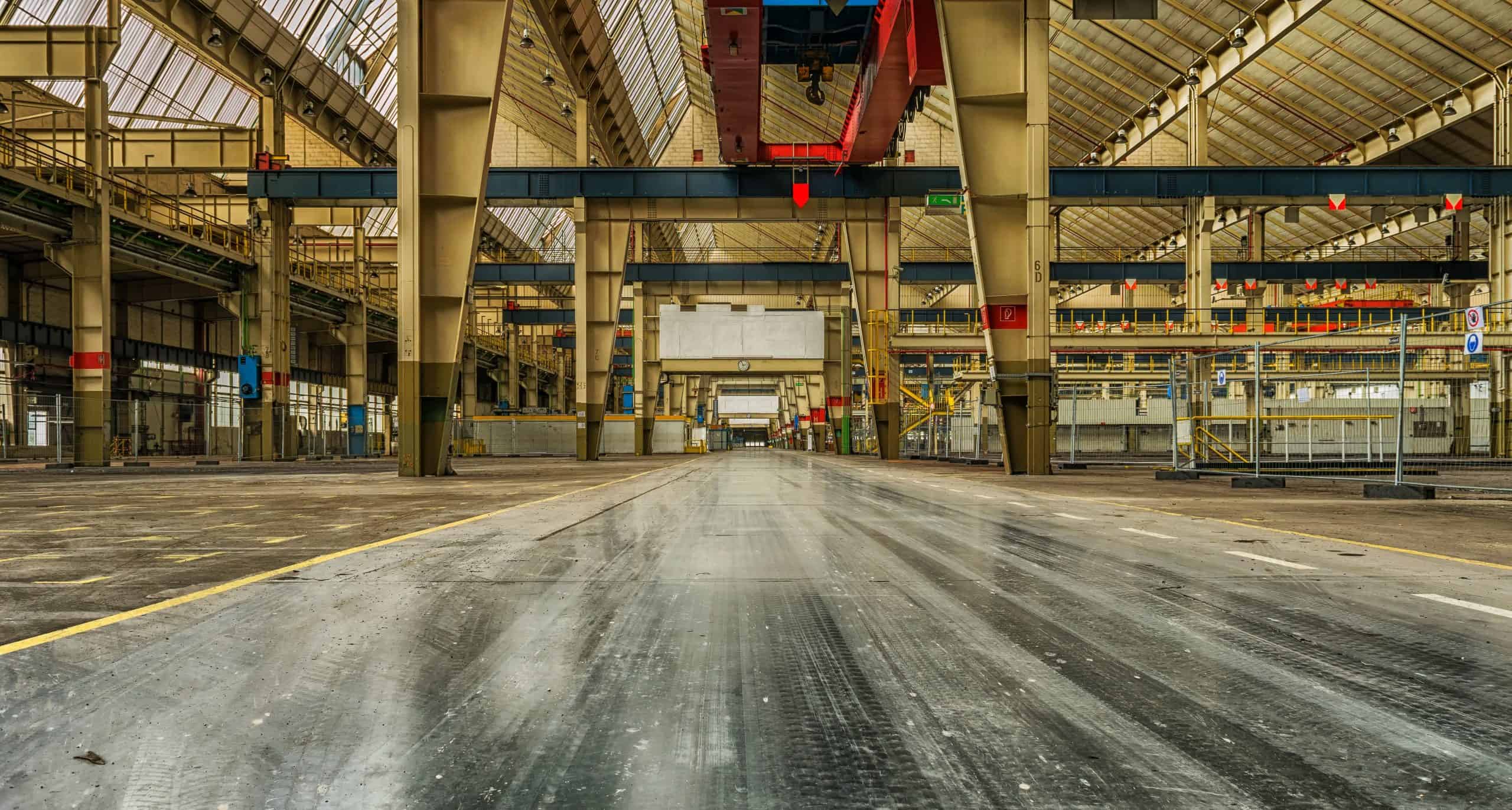
Industrial halls, such as warehouses and manufacturing plants, need to be heated for the comfort of workers and machines alike. The standard boiler system isn’t always enough to properly regulate the temperature, especially in larger industrial halls. This is why many industrial buildings have chosen to go with a plate and frame heat exchanger as a supplementary solution.
A plate and frame heat exchanger (also known as a gasketed plate heat exchanger) is composed of multiple thin, corrugated plates held together by a gasket. This is typically connected to the existing heating system and, as it is responsible for additional heating and cooling, has the added bonus of cutting down on costs associated with using the existing boiler system alone.
A plate and frame heat exchanger can significantly reduce the amount of energy used when compared to other heating solutions. By distributing heat across a much larger area than is possible with a standard boiler system, a plate and frame heat exchanger can maintain temperatures in large industrial halls with less energy output.
The thin plates used in the exchanger provide high levels of heat transfer and a longer lifespan than is possible with more conventional heating systems. As the exchanger distributes heat from multiple plates, it is also much more resistant to damages that might occur if one single plate were damaged.
The plate and frame heat exchanger also offers increased safety compared to some heating systems as there are no open flames or exposed hot surfaces, which can pose a hazard.
Installing a plate and frame heat exchanger requires certain knowledge and skills, so it’s important to be aware of the installation requirements before attempting it. It’s a good idea to find a certified technician with the experience needed to complete the installation.
When it comes to the installation of the actual exchanger, be sure to keep a few things in mind. For one, the exchanger needs to be level when placed in the desired location. Also, when securing the plates and gaskets in place, take the time to make sure everything is secure and won’t be moving around. Finally, ensure that all pipes and joints are tightly sealed to reduce any risk of a gas leak.
In conclusion, installing a plate and frame heat exchanger can be a great solution for industrial halls that require extra heating. By following these tips and advice, you can successfully heat up your industrial hall and ensure a comfortable environment for employees and machines alike.
Main photo: Pixabay/pexels.com
Sponsored text